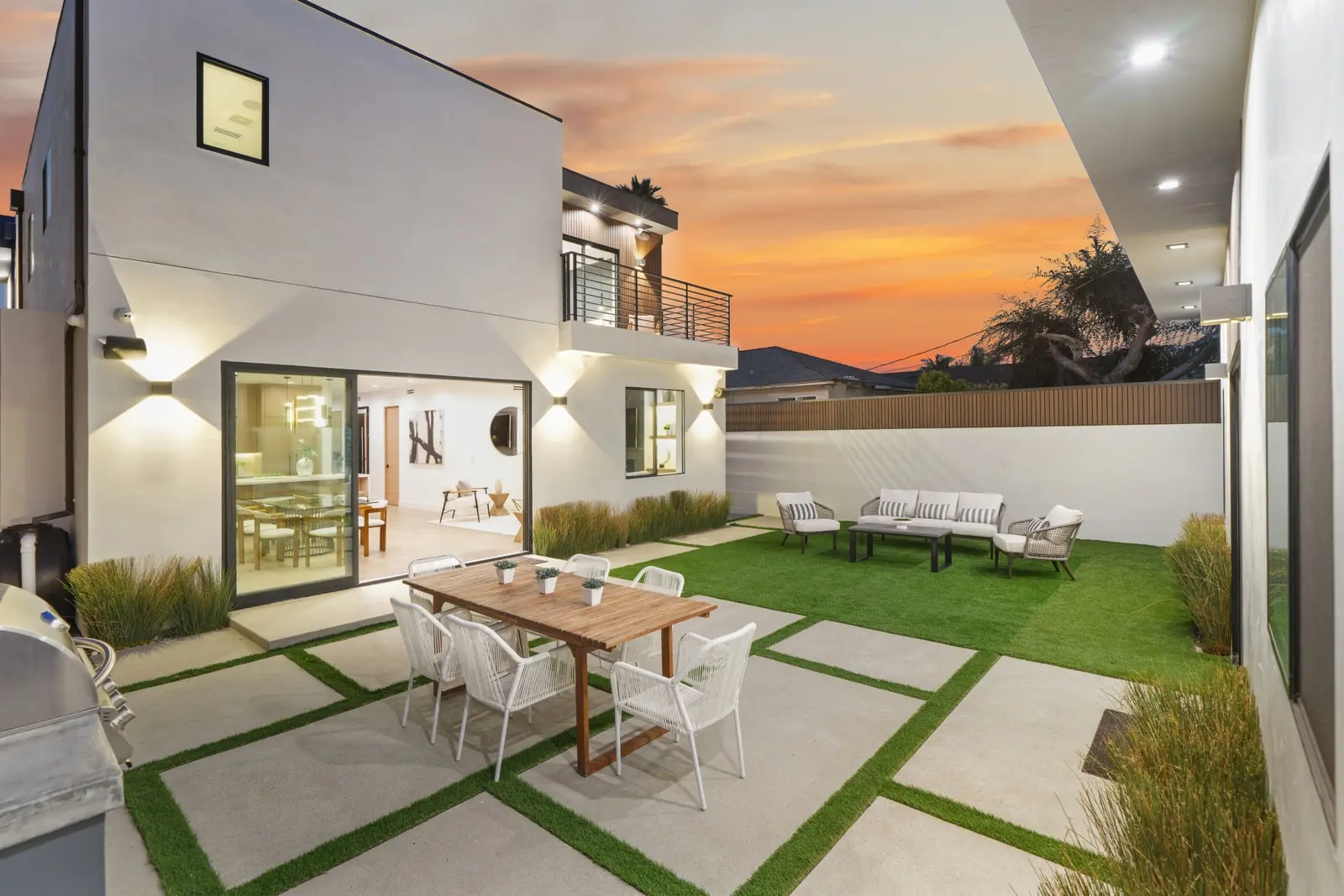
Measure media against what your launch achieved and what the work lets you do next. Track enquiries, showing requests and open-house attendance alongside the campaign dates, asking-price changes and distribution. Keep the finished work for seller presentations. A package can support those jobs without guaranteeing a higher sale price or a particular number of days on market.
Why "media cost" is the wrong frame
If you've ever hesitated over a photography invoice, you were probably looking at the wrong number. The price of the shoot is only half of it. The other half is what you get to use it for. Media shows up everywhere a buyer meets the listing: the MLS thumbnail, the Zillow scroll, the Instagram story, the open house flyer. Few other listing expenses get that much exposure.
Most buyers use the internet in their home search, per NAR research. So the photo, video or tour is very often the first impression a buyer forms before deciding whether the home is worth a showing, and sometimes the only one. So treat that first impression as marketing spend, and measure what you get back from it.
What does the data say about the return?
One independent analysis anchors this section, and it doesn't come from a vendor with something to sell. A few directional facts fill in the rest.
- Photography: historical Redfin findings varied by price band and do not establish a fixed return for a current LA listing. Read the scope of the research.
- 3D tours: a 3D/Matterport tour lets buyers walk every room at any hour. The ones who go on to book a showing arrive already familiar with the home, so the visits that happen are warmer and more committed.
- Video: only about half of agents use any drone photography or video, so there's room to do something your competitors aren't. A well-made listing video is often up against silence, not another agent's better video. NAR
- Staging: 83% of buyers' agents say staging makes it easier for buyers to picture a home as their own. NAR 2025 Profile of Home Staging
Look at what each one does. Photography is the broad one, and it's the one with research behind it. The others give a specific buyer a reason to lean in: a tour to walk, a video to watch, a room they can picture furnished. On a high-value listing, a 3D tour is a small line item next to the price of the home.
How much does real estate media cost in LA?
In Los Angeles, standard real-estate photo packages typically run about $150–$400. Full media bundles that combine photo, video, drone and 3D are priced higher based on square footage and the services included. That range is market context, not a promise of what any specific studio charges. The exact price for a listing depends on size, service mix and turnaround. For the full breakdown by service and square footage, see our 2026 LA photography cost guide.
A simple way to think about it: scale the media spend to what's at stake on the listing, instead of spending the same on every property. A $500,000 condo and a $4,000,000 estate don't draw the same buyers or pay the same commission, so they shouldn't get the same media budget.
There are two kinds of cost here, and agents tend to mix them up. One is the price of the shoot, the number on the invoice. The other is the cost of under-marketing: buyers who scroll past a dim, poorly composed photo set before they read the description, showings that never get requested because the gallery didn't earn a second look, days on market that pile up while a better-marketed listing down the street gets the offer. Agents budget for the first number. The second one rarely makes it onto a spreadsheet.
Who pays for the media, and does that change the math?
In many LA transactions, the listing agent fronts the cost of media, either personally or through the brokerage, and that spend is recovered out of commission at close (with margin, if the strategy works). That structure changes the ROI question. The seller isn't approving a marketing line item on their settlement statement; you're deciding, as the agent, how much of your own margin to put back into this listing.
Framed that way, it looks like any other business marketing spend. What do you expect back for each dollar, and does that grow with the stakes? On a $500,000 listing at a typical commission split, a few hundred dollars of media is a small slice of the payout. On a $3,000,000 listing the payout is much bigger, and so is the cost of a listing that sits or takes a price cut. Media isn't the only reason that happens, but it's one you control. The bigger the check, the more the media decision deserves your attention.
What's the real cost of skipping media, or cutting corners on it?
The visible cost of good media is the invoice. The invisible cost of skipping it, or using a phone camera, an inconsistent freelancer, or a slow turnaround, is harder to see. It shows up in three places every agent recognizes once it's pointed out.
- Days on market. Record the list date, offer date and any price changes. Compare the result with genuinely similar local listings, and avoid crediting media alone for a difference that pricing or condition may explain.
- Price reductions. A listing that does poorly online often gets a price cut when better marketing might have helped. Sometimes the photos were the problem, not the price, and a price cut can't be taken back.
- The pitch you didn't win. Weak or inconsistent media on past listings is a quiet drag on the next listing presentation. Sellers often want to see your recent work before they hire you, and a portfolio of forgettable photos is a harder sell than a strong one.
None of these show up on an invoice. They show up weeks later, as a slower closing, a lower price or a listing appointment that went to someone else. Media isn't the only cause of any of those, but across a year of listings it adds up.
How do you match spend to listing value?
One rule covers most cases: as the list price goes up, a weak launch costs more, while the media costs only a little more. A small slip in sale price is real money on a $600,000 listing. On a $3,000,000 listing the same slip is far bigger, and a media bundle is a small slice of it. So the higher the stakes, the more it makes sense to spend.
| Listing value | What the listing needs | Why |
|---|---|---|
| Under $750K | Photo Essentials: HDR-balanced stills, MLS-ready, with drone and a twilight | Buyers scan fast in this range, so a clean, bright gallery comes first. |
| $750K–$1.5M | Standard package: adds a Standard video and two twilights to the aerials | Many agents still skip video, so competing listings may not have one. |
| $1.5M–$3M | Premium package: adds a Premium video (you on camera, a film-style edit), a floor plan and four twilights | Puts you on camera and gives buyers a floor plan, so they know the home and who is selling it before they visit. |
| $3M+ | Signature package: a planning call, a voiceover story video, real twilight and a launch plan | At this tier the listing also promotes you as the agent, so every frame shows your work as well as the home. |
For a side-by-side on what changes between a starter listing and a luxury one, see media packages: $1M listing vs. $5M listing.
What's the actual mechanism behind "better media, better outcome"?
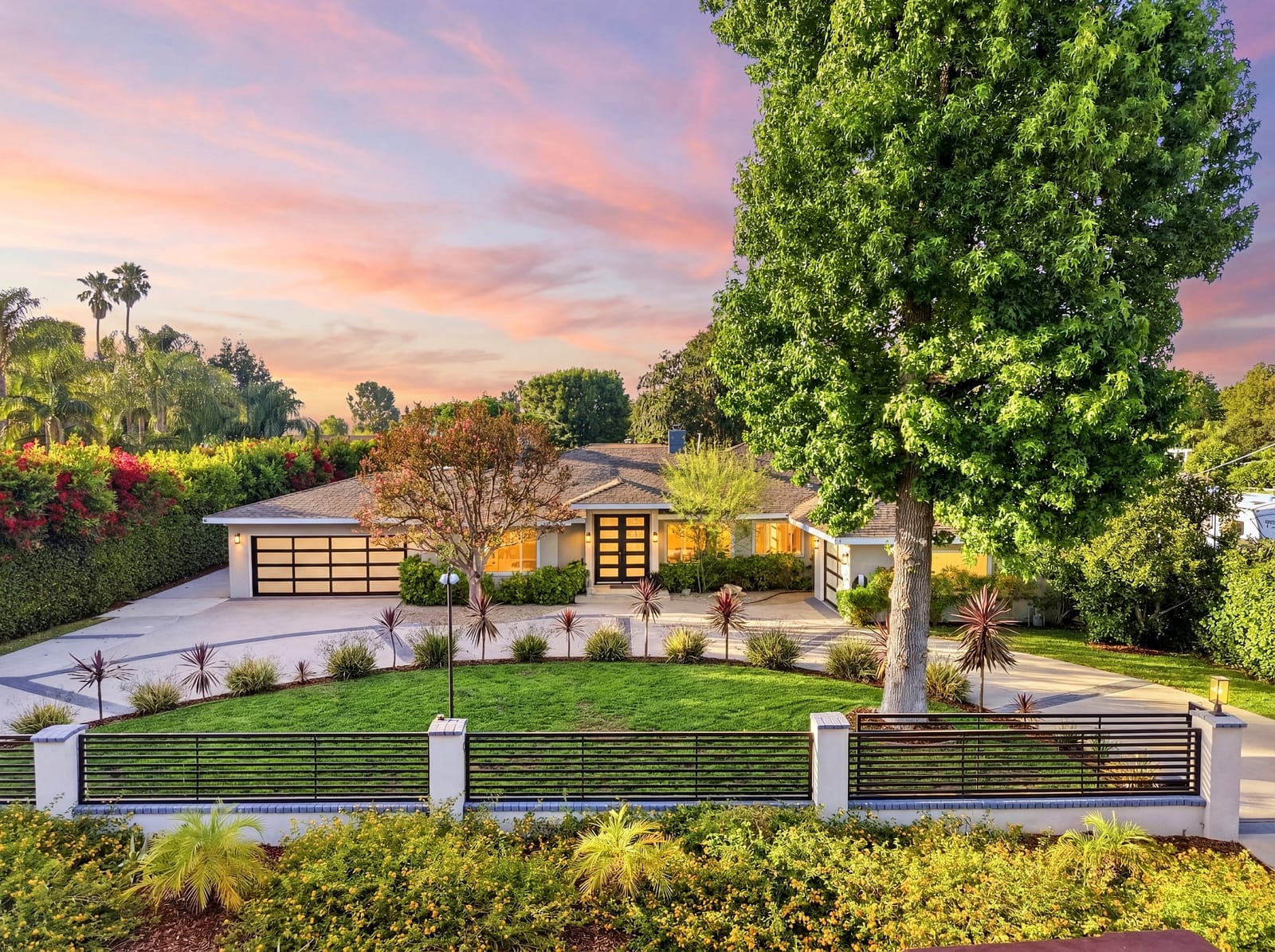
There's no magic here. It's a chain. Better media can earn more attention online. More attention can mean more showing requests. More showing requests can create competition among buyers. Competition can lead to a faster sale and sometimes a better price. Each link is plausible, but none is guaranteed, and price and condition matter at every step.
Start with attention. Most buyers search online, so the photo gallery is the shop window, and a buyer decides in seconds whether to keep scrolling or click in. Next comes interest. A buyer who clicks through a strong gallery, watches a full listing video or walks a 3D tour before asking for a showing arrives already interested. Then comes competition. More interested buyers in the same window can lead to multiple offers, and multiple offers can push a price above list. The end of the chain (selling for more, and faster) is what Redfin's large-sample analysis found professional photography associated with. That was an association seen across many listings, not a guarantee for any one of them.
One more return never shows up in a single-listing P&L. About 80% of sellers contact only one agent before signing NAR 2025. A portfolio of strong media can be a reason the next seller calls you first. That's the case for treating media as an ongoing investment in your name, not a one-off cost per listing. Our personal brand pillar guide goes deeper on that.
Why speed matters as much as price in this equation
An organised launch also saves work. One coordinated shoot, the right file formats and a clear delivery schedule reduce the number of people and tasks an agent has to manage. Ask what is included, how revisions work and whether branded and MLS-ready versions are supplied before comparing package prices.
How does the math change for photo, video and 3D specifically?
Not every media tier delivers its return the same way, which is why "spend more on media" is less useful advice than "spend more on the right layer of media for this listing." Each service justifies its cost in a different way.
- Photography is the common starting point across the MLS, property portals, print and social. Plan a complete gallery before deciding which additional formats earn a place in the campaign.
- Video pays off mostly by setting you apart, not by volume. Because about half of agents still use no drone photography or video Independent, a well-made video isn't up against a dozen other agents' videos. It just has to exist. The market hasn't caught up yet, so the same effort can go further.
- 3D tours earn their return by pre-qualifying buyers before they ever request a showing. A buyer who has already "walked" the home virtually and still wants to see it in person is a warmer lead than one touring cold.
- Virtual staging earns its return on vacant or awkwardly furnished rooms specifically. 83% of buyers' agents say staging makes it easier for buyers to picture a home as their own NAR 2025, and virtual staging delivers that benefit at a fraction of the lead time of physical staging, always disclosed as digitally enhanced.
Don't treat these as four items fighting over one budget. Each one solves a different problem a listing might have, and the listing itself tells you which problems it has.
Does a $2M listing justify a bigger media budget?
Run the budget against a written campaign plan. Specify the photos, video, aerials, tour and staging you need, where each will appear and who will distribute it. After launch, record the enquiries and showing requests that can be traced to those channels. That gives you a useful basis for the next listing instead of a hypothetical sale-price uplift.
The same logic works in reverse for a starter listing. A $450,000 condo doesn't need a five-service bundle. Clean, bright, MLS-ready photography usually covers what matters for that buyer pool. Overspending on a listing that doesn't need it isn't smart either. Match the package to the home's value.
How do you pitch this to a seller who's watching every dollar?
In the listing presentation, show a seller the actual work and explain how you will use it for their home. Bring a comparable campaign, its deliverables and any documented results the client has approved sharing. Be clear about what the package includes and what remains influenced by price, condition and the market.
It also helps to be clear about what the seller is deciding. They aren't weighing marketing spend in the abstract. They're deciding how much care to put into selling what is often their biggest asset. Put that way, the talk is less about the invoice and more about doing this sale right.
What should an agent do with this?
- Stop asking "what's the cheapest package that covers this listing." Ask "what tier of media does this seller's price point justify."
- Treat the 3D tour as a filter, not an upsell. Buyers look around before they request a showing, so the visits that happen are warmer and more committed.
- Budget video for every listing over roughly $750K. Many competing agents still skip it.
- Bring the independent research into the seller conversation. You're no longer asking them to approve an expense. You're looking at the evidence together.
- Think past one sale. Strong media on every listing helps the next seller know your name before they call anyone else.
Frequently asked questions
Is real estate media actually worth the money?
It can, but there is no fixed return for every listing. Start with a campaign plan and track actual enquiries, showing requests and open-house attendance. Sale price and speed are also affected by pricing, condition and market demand, so treat them as broader outcomes rather than proof that media alone caused the result.
How much should I budget for photography and video in Los Angeles?
Standard real-estate photo packages in LA typically run about $150–$400, with full media bundles (photo, video, drone, 3D) priced higher based on square footage and services included. The right budget scales with the listing's value. A higher-priced home can justify a fuller bundle because more is at stake on the sale.
Does a 3D tour actually pay for itself?
It can, on the right listing. A 3D/Matterport tour lets buyers walk every room at any hour before they request a showing, so the visits that happen are warmer. On a higher-value home it's a small line item next to the price of the sale. It's most worth adding on mid-to-high-value homes, vacant homes and hard-to-photograph ones.
Should every listing get the same media package?
No. Match the tier to what's actually at stake. A starter listing usually needs clean, bright, MLS-ready photography, while a listing in the mid-to-high range benefits from adding video, aerials and a 3D tour, since more is at stake as the price goes up. Overspending on media a listing doesn't need is as much a mismatch as under-spending on one that does.
Does better media help me win future listings, as well as sell this one?
It can. About 80% of sellers contact only one agent before signing (NAR 2025), so being the name a seller already knows can matter before they ever call. Strong media on one listing builds recognition that can help with the next.
Get your exact package and price for this listing.
Enter the address and what the listing needs, and book the time that works online.
Book your shoot →