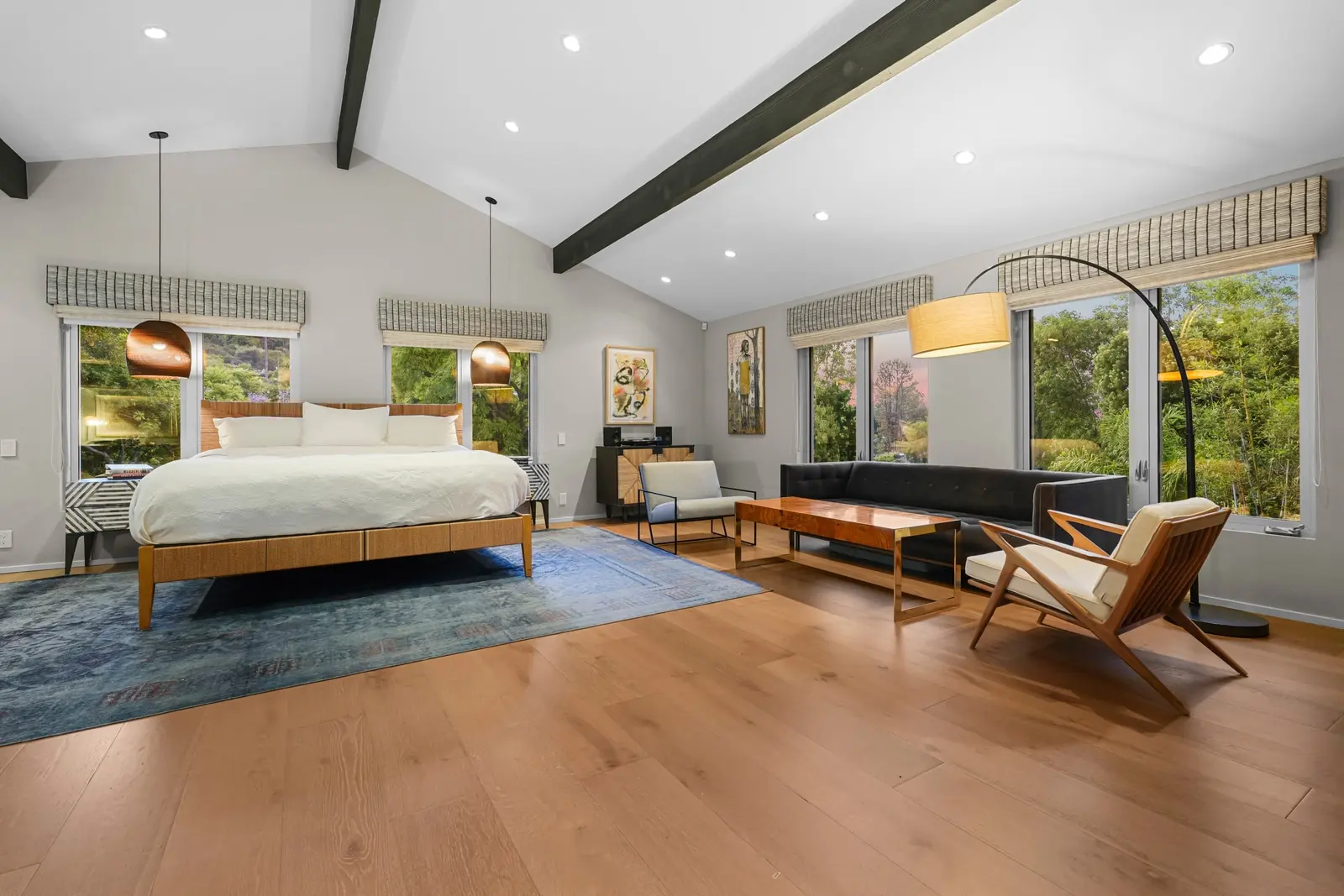
AI virtual staging in 2026 is good enough for most vacant listings. You can still spot it if you look. Shadows don't always line up, furniture can float a little off the floor, and pieces can run a bit large. It helps for the same reason regular staging does: 83% of buyers' agents say staging makes it easier for buyers to picture a property as their future home.NAR · Independent One rule keeps you in good standing with the MLS and your clients. Label every virtually staged photo as digitally enhanced or virtually staged, every time. Below you'll find what it does well, where it still slips, and how it compares to physical staging.
Does AI virtual staging look real in 2026?
At a glance, mostly yes. Today's tools can put furniture, rugs, and decor into a photo of an empty room in minutes. On a phone, scrolling a listing grid, most buyers won't notice. The giveaways show up when someone looks closer or opens the photo full-screen. A shadow falls the wrong way from the window. A sofa looks a little too big for its wall. A mirror or a window shows something that doesn't match the room.
None of that makes it a bad tool. It just has one job: helping a buyer picture furniture in the room. It isn't there to fool anyone into thinking the furniture is real. Used that way, and labeled, it works fine.
Where does AI staging still look fake?
The same few spots give it away. Check these before you approve a staged photo for the MLS.
- Light direction. If the room has a window or skylight, the staged furniture's shadows have to fall the same way as the room's real ones. Shadows that don't match are the most common giveaway.
- Scale and proportion. Furniture that's a bit too big for the room, or a rug that doesn't line up with the floor, looks off even to someone just scrolling.
- Edges around fixed objects. Where a virtual object meets a real one (a lamp by a window, a chair by a fireplace), you'll often see rough edges. Zoom in before you publish.
- Reflections. Mirrors, glass coffee tables, and glossy floors are the hardest to get right. They'd have to reflect furniture that was never photographed.
What are the actual MLS and ethics disclosure rules?
The rule is simple. Any virtually staged or digitally altered photo has to be clearly labeled, everywhere it shows up: the MLS, the listing site, social media. Most MLS systems want a visible watermark or caption saying the image is virtually staged or digitally enhanced. They treat unlabeled staging as an accuracy violation, not a style choice.
Our rule on every job: label it in the photo caption. Label it again in the MLS remarks if the system lets you leave a note. Never pass a staged photo off as the home's real condition. It costs nothing, and it protects you, the agent whose name is on the listing, far more than it hurts a buyer's first impression.
Virtual staging vs. physical staging: which wins?
They do different jobs. Virtual staging wins on speed and cost for vacant listings, where you just need to show buyers the scale of a room and how it could be lived in. Physical staging wins when buyers will walk through the home. No photo replaces real furniture in a room during a showing.
| Virtual staging | Physical staging | |
|---|---|---|
| Turnaround | Same shoot, delivered with your photos | Days to weeks to source and install furniture |
| Cost | A fraction of physical staging, per room | Rental fees plus install/removal, often per month |
| Where it works | Online listing photos only | Online photos AND in-person showings |
| Disclosure needed | Yes. Always label as digitally enhanced | No, the furniture is physically real |
| Best for | Vacant listings prioritizing online scroll appeal | Listings expecting heavy in-person foot traffic |
Plenty of vacant listings use both. Virtual staging goes in the online photos, and physical staging goes in the open house. Each one covers what the other can't, so they don't compete for the same budget.
What do buyers notice, and does it matter?
Buyers notice a missing couch long before they notice an AI-made one. An empty room can look smaller and colder, and it's harder to picture living in. That's why 83% of buyers' agents say staging, in general, makes it easier for a buyer to picture a property as their future home.NAR · Independent Buyers also move fast. Most of them start their search online, so a staged photo's job is to get a click and maybe a showing request. It doesn't have to hold up to a close inspection. Label it, keep it honest, and virtual staging does what you hired it to do.NAR · Independent
Frequently asked questions
Is AI virtual staging legal to use on the MLS?
Yes, as long as it's disclosed. Most MLS systems require virtually staged or digitally enhanced photos to carry a visible label saying so. The tool itself is fine. Using it without disclosing is what gets flagged.
Can buyers tell AI virtual staging isn't real furniture?
Usually not at a glance while scrolling. A closer look can show shadows that don't match, furniture that's a bit off in size, or reflections that don't fit the room. That's why you label it and never try to hide it.
Should I use virtual staging or physical staging for my listing?
Virtual staging works well for online photos of a vacant listing, at a fraction of the cost and with no wait for furniture. Physical staging is worth it when lots of people will walk through the home, since no photo replaces furniture buyers can sit on.
Do I have to disclose virtual staging to buyers?
Yes, every time. Label each virtually staged photo as digitally enhanced or virtually staged on the MLS, the listing site, and social media. That's true no matter how real it looks.
Does virtual staging help a vacant listing?
Staging in general helps buyers picture the home. 83% of buyers' agents say it makes it easier for buyers to visualize a property as their future home. Virtual staging gives you that same benefit in online photos, for a fraction of physical staging's cost and time.
See your vacant listing virtually staged and labeled the right way, next day.
Enter the listing address and we'll show you which rooms would gain the most from virtual staging. Every staged photo is labeled as digitally enhanced.
Book your LA shoot →