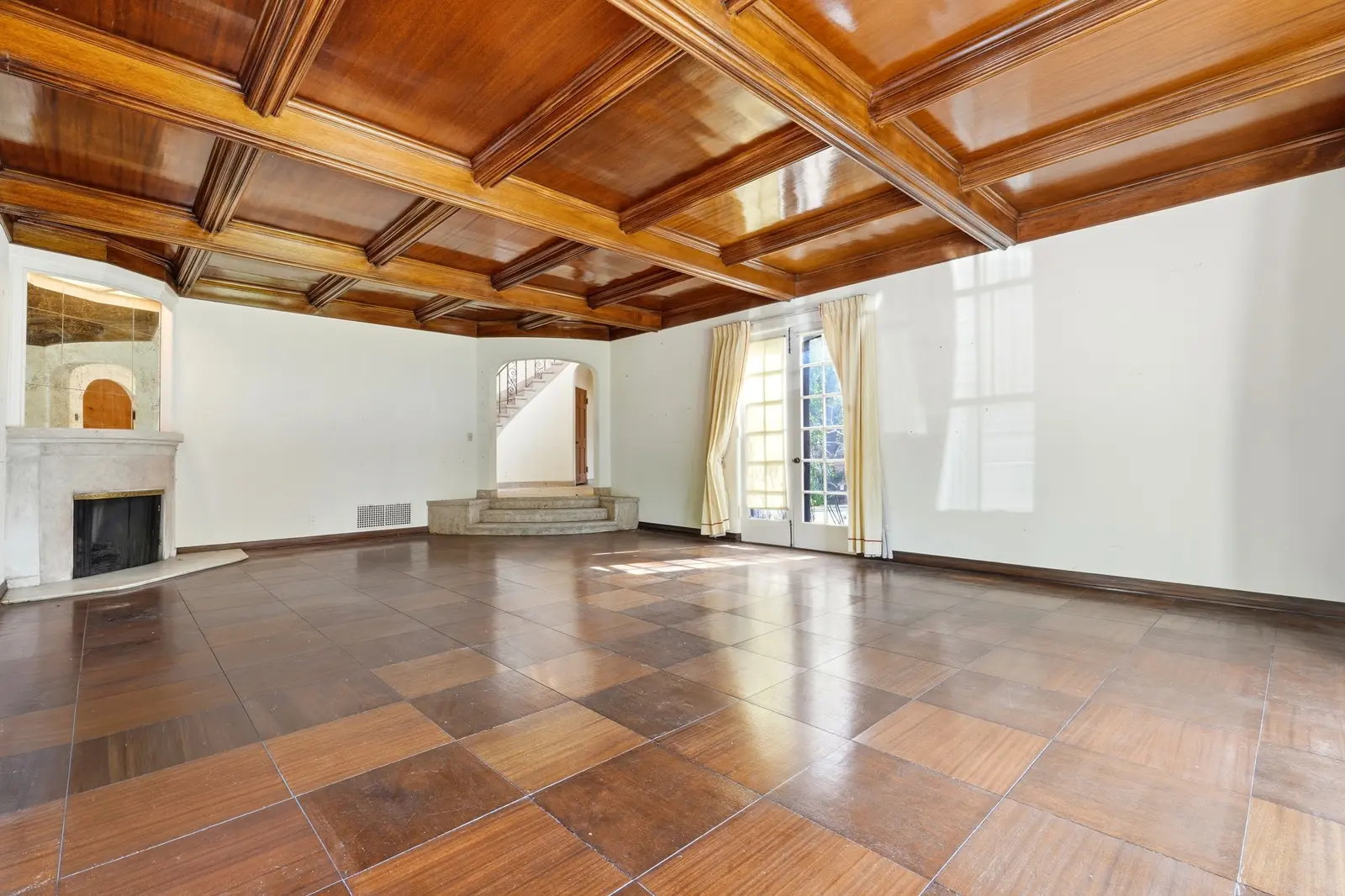
Virtual staging is priced per photo. In the market it typically runs about $15–$100 per image depending on quality. At Virtual View Tours it's $25 per photo for AI-staged images, always disclosed, up to a designer-staged tier that starts at $50 for a single photo. That's a fraction of physical staging, which can run into the thousands over a listing's life. One rule you can't skip: virtually staged photos should be clearly labeled, and many MLSs require it. Get an exact quote on our order page.
How much does virtual staging cost per photo in LA?
Virtual staging is billed per photo, not per room or per listing. Across the market you'll see roughly $15 to $100 an image, and the spread is mostly quality: fast commodity staging sits at the low end, design-grade work that actually looks like the room sits higher. At Virtual View Tours it's $25 per photo for AI-staged images, which we always disclose, and there's a designer-staged tier that starts at $50 for a single photo and scales down per image as you add more.
Since you're paying per photo, stage only the rooms that need it: usually the primary living space, the main bedroom, and one or two rooms buyers struggle to read empty. Book online at our order page to price it for your exact photo count.
Virtual vs. physical staging: the real cost gap
Here's the big gap. Physical staging often runs into the thousands of dollars over a listing's life once you count delivery, rental furniture, and monthly fees. Virtual staging costs tens of dollars per photo and is ready the same day, with no furniture in the house. There's a trade-off. Physical staging helps at the in-person showing. Virtual staging helps in the photos, which are what a buyer sees before deciding to book a showing. For many vacant listings it's the cheaper way to help buyers picture the rooms. For the deeper prep playbook, see our listing prep and staging guide.
Do you have to disclose virtual staging?
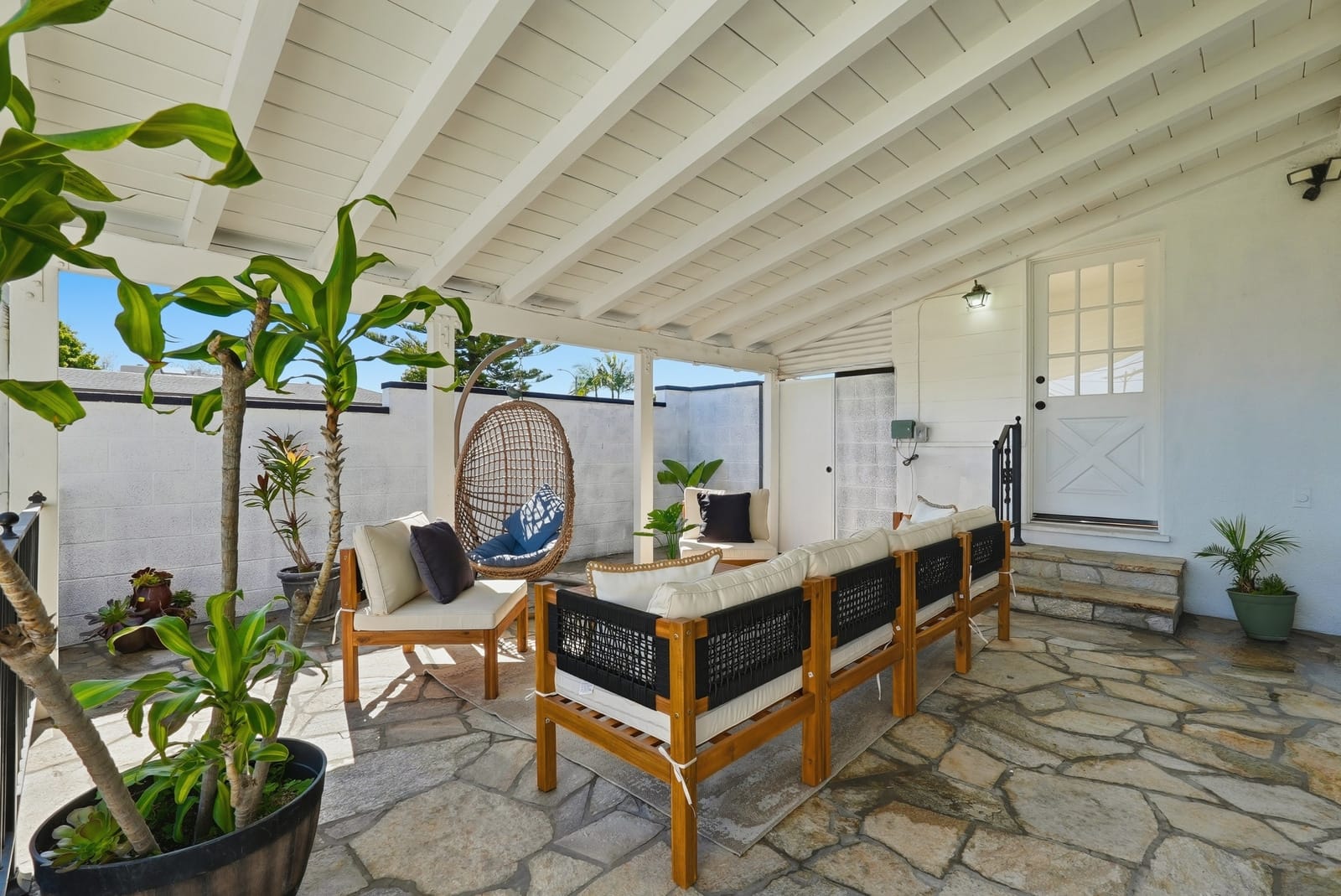
You should, and many MLSs require it. The standard is simple: virtually staged photos should be clearly labeled as virtually staged so no buyer is misled about what actually comes with the home. And never use staging to hide a defect, remove a permanent fixture, or change the property's real condition; that crosses from marketing into misleading advertising. At VVT we always disclose AI staging and keep the edits to furnishing and styling, never to the structure.
What virtual staging should and should not do
- Should: furnish an empty room, show a bare space's potential, and tidy styling so a buyer can picture living there.
- Should not: hide water damage or cracks, remove permanent fixtures, alter the layout, or otherwise misrepresent the condition of the home.
Stay on the right side of that line and staging is a handy tool. Cross it and it becomes a liability.
Is virtual staging worth it?
For vacant listings, usually yes. In NAR's staging research, 83% of buyers' agents said staging makes it easier for buyers to visualize a home.NAR Profile of Home Staging · Independent Empty rooms are easy to scroll past, since a bare space is hard to picture with furniture in it. Staged photos help with that for a lot less than physical staging costs. For how to keep AI staging looking real and honest, see our guide to AI virtual staging.
Frequently asked questions
How much does virtual staging cost per photo in Los Angeles?
Virtual staging is priced per photo and typically runs about $15 to $100 an image in the market depending on quality. At Virtual View Tours it is $25 per photo for AI-staged images, always disclosed, up to a designer-staged tier that starts at $50 for a single photo. Get an exact quote on our booking page.
Is virtual staging cheaper than physical staging?
Far cheaper. Physical staging often runs into the thousands of dollars over a listing's life once you count delivery, rental furniture, and monthly fees, while virtual staging costs tens of dollars per photo and is ready the same day. Physical staging still helps in-person showings, so the two solve different problems.
Do you have to disclose virtual staging?
You should, and many MLSs require it. Virtually staged photos should be clearly labeled as virtually staged, and you should never digitally hide a defect or alter a property's actual condition. We always disclose AI staging.
What should virtual staging never do?
It should never misrepresent the property. Adding furniture or styling an empty room is fine, but removing permanent defects, changing the layout, or hiding damage crosses into misleading advertising.
Is virtual staging worth it?
For vacant listings, usually yes. In NAR's staging research, 83% of buyers' agents said staging makes it easier for buyers to visualize a home, and empty rooms are commonly scrolled past online. See our guide to AI virtual staging for how to keep it looking real.
Book your virtual staging online in minutes.
Tell us how many photos you want staged and we'll give you the exact price. Staged photos are always labeled.
Book your shoot →