
Media That Sells
Does real estate media actually sell homes?
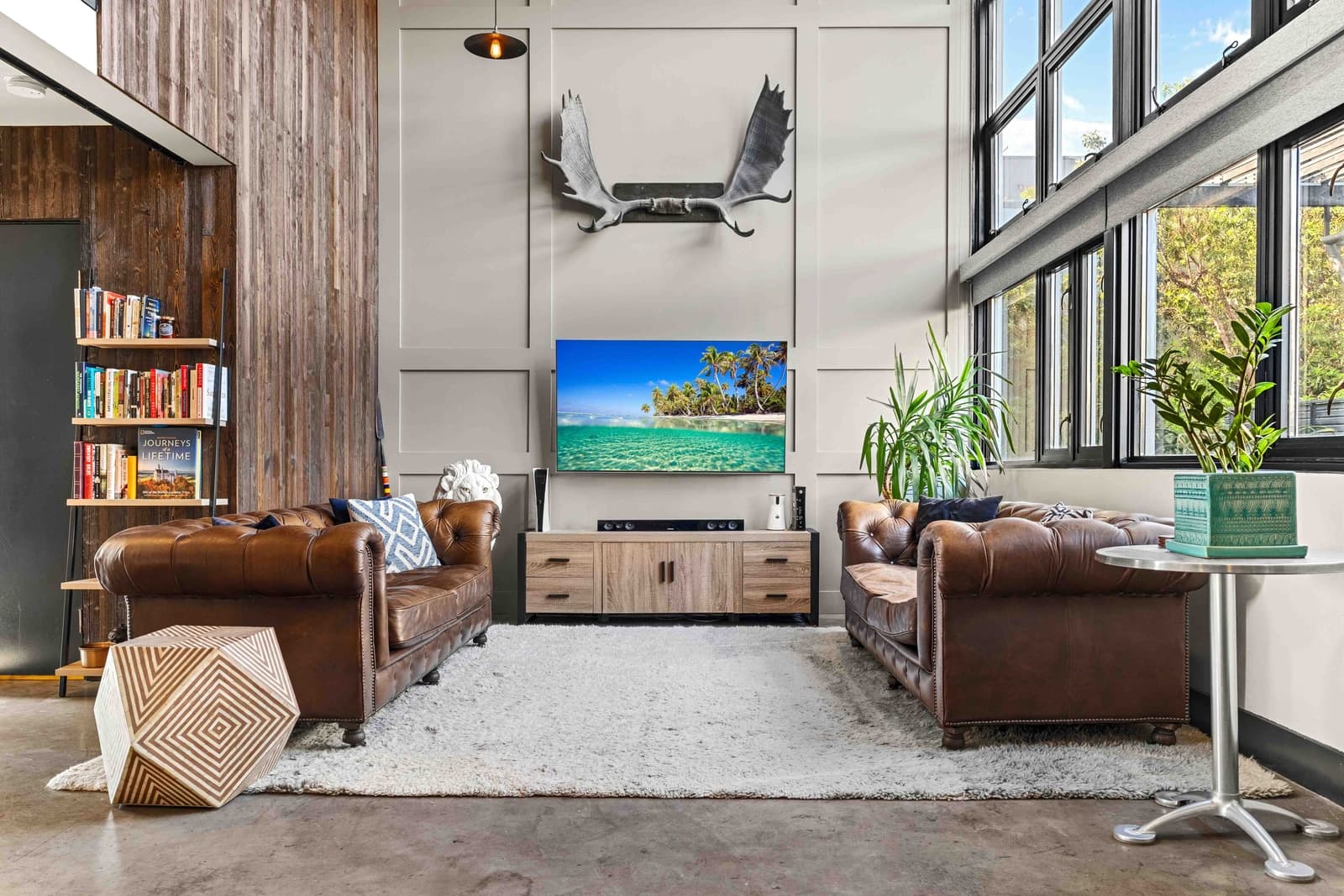
Yes, though not equally and not automatically. Independent research ties professional photography to real, measurable outcomes, and the craft behind video and 3D changes how buyers experience a listing before they ever walk in. Redfin found professionally photographed homes sold for roughly $3,400–$11,200 over list and about three weeks faster than comparable listings (Redfin, 2013; an association, not a guarantee) Independent. A 3D tour lets buyers walk every room at any hour, so the ones who book a showing arrive already familiar with the home Craft. The catch: media only works if a buyer actually sees it. NAR finds most sellers interview only one agent before signing, about 80% (NAR 2025) Independent, so the listing that looks most credible online often wins the relationship before a showing ever happens. Below is the honest breakdown of what each medium does, what it doesn't, and how to sequence them for a Los Angeles listing.
Why does listing media matter more than agents think?
Because the shopping decision now happens almost entirely on a screen before it happens in person. Most buyers use the internet during their home search, per NAR research. For most of them, your photos, video and tour are the first showing. A listing that photographs poorly doesn't get a bad reputation. It gets scrolled past.
That's also why the gap between "professional" and "adequate" media isn't a matter of taste. It shows up in closing price and days on market, the two numbers every seller cares about more than any other part of the marketing plan.
It helps to be precise about what "media" does, because it's easy to mistake it for a cosmetic upgrade. Good media turns a listing from a data record (address, square footage, bedroom count) into something a buyer can respond to emotionally before they've set foot inside. Two homes with identical comps can perform completely differently in the same market, and the difference usually comes down to which one gave buyers a reason to book a showing instead of a reason to keep scrolling. If you treat media as a line-item expense, you're underpricing what it does for a listing's trajectory.
Timing matters more than most agents give it credit for, too. Attention on a new listing isn't spread evenly across its time on market; it spikes hard in the first 48–72 hours after it goes live, while it's still fresh in portal algorithms, agent networks and buyer alerts. Media that isn't ready on day one burns the highest-attention window of the entire listing period on stand-in photos or an empty gallery. That's the real cost of a slow turnaround. Most agents don't feel it until they've lived through a listing that launched thin.
What does the actual research say?
Three independent data points anchor this entire guide. None of them come from a media company grading its own homework. They're third-party studies of real transactions and buyer behavior, not vendor self-marketing.
| Source | What was measured | Result |
|---|---|---|
| Redfin (2013) | Homes with professional photography vs. comparable listings | Associated with selling ~$3,400–$11,200 over list, ~3 weeks faster Independent |
| NAR (2025) | Buyers' agents on staged homes | 83% said staging helps buyers picture living there Independent |
| NAR (2025) | Seller behavior before choosing an agent | ~80% of sellers interview only one agent before signing Independent |
Notice what's not on that list: no invented percentage for video, no "403% more inquiries" claim you'll see floating around the industry attributed to NAR. It isn't from NAR, so treat any stat like that as marketing noise, not data. The honest state of the evidence is strongest for photography, directionally supportive for staging, and clear on how 3D changes the buyer's experience without leaning on a percentage. Video is still an open frontier, and we won't invent a number for it. That last one deserves its own section.
Does video move the needle, or is it just nice to have?
The most underused edge in the industry is a simple one: the majority of agents still don't produce listing video at all Independent. That leaves the format wide open. An agent who shoots video has something almost none of their competitors bother with, and in a market where most sellers hire the first agent who looks credible (about 80% interview only one before signing, NAR 2025) Independent, being the one listing with a cinematic walkthrough when the other nine on the block only have stills is a structural advantage. Not a small one, either.
We don't have an independent study isolating video's effect on price the way Redfin's data spoke to photography, and we won't invent one. What we can say with confidence is narrower. Buyers spend more time with video per listing than any other format. It's the one medium that shows flow and scale at the same time. And every Instagram Reel or TikTok clip that carries a listing, and an agent's name, past the MLS and into a buyer's feed starts life as listing video.
Video also does a second job that has nothing to do with the buyer. It signals to the seller. When you present a listing plan with a cinematic walkthrough alongside photography, most sellers read that as more effort and more professionalism than the agent down the street proposing stills only. In a competitive listing presentation, that perception can decide whether you win the listing at all, before video has done anything for the home itself. Video sells the agent before it ever gets a chance to sell the home.
Photo vs. video vs. 3D: which do you need?
Photography is the non-negotiable floor. 3D is the highest-leverage add for anything over roughly $1M or with a hard-to-picture floor plan. Video is the format that wins the room on social and sets you apart as an agent. Most listings do best with all three together, not any one on its own.
| Medium | Best for | What the evidence shows |
|---|---|---|
| Photography | Every listing, every price point | ~$3,400–$11,200 over list, ~3 weeks faster (Redfin, 2013) Independent |
| 3D / Matterport tour | Larger homes, unusual layouts, out-of-town buyers | Buyers pre-walk the layout at their own pace, any hour, before visiting Craft |
| Cinematic video | Social reach, agent brand, luxury & lifestyle listings | Majority of agents skip it, so it's open differentiation Independent |
| Aerial / drone | Lot size, views, proximity to coast or hills | Context stills and video can't capture from the ground |
| Virtual staging | Vacant homes | 83% of buyers' agents say staging aids visualization (NAR 2025) Independent |
We go deeper on this exact comparison (including when to skip a medium entirely) in Photo vs. video vs. 3D tour: which sells which listing?.
Each medium answers a different buyer question. Photography settles "is this place worth my time?" in under a second on a portal thumbnail. 3D exists for the buyer who's been staring at photos and still can't work out how the space connects. Video answers "what does it feel like to be there?" with pacing, light, sound, movement. And aerial handles "what's around it?", the lot, the view, the block. None of them substitute for the others; each closes a different gap between a listing and a booked showing.

Why do two nearly identical listings perform so differently?
Almost never because of the home. It's because one listing's media was built to make a buyer feel the space and the other's was built to check a box. When one of two comparable listings pulls ahead, it didn't come from a better house. It came from better information delivery for homes that were, on paper, the same. Composition, light, sequencing and pacing are the difference between media a buyer scrolls past and media that gets forwarded to a spouse.
This is also where a lot of "professional" photography quietly underperforms: technically sharp images shot without regard for how a buyer actually scans a listing (wide room-establishing shots first, detail and light second, exteriors and aerials to close) leave real value on the table even though nothing about the gear was wrong.
Timing within the shoot itself is the other place value leaks, and it has nothing to do with gallery order. Light changes an interior more than almost any other variable a photographer controls, which is why the strongest LA listing shoots are scheduled around the sun rather than the agent's calendar. South- and west-facing rooms get photographed differently than north-facing ones. Twilight exteriors get timed to the actual sunset, not "sometime in the evening." None of this shows up as a line item on an invoice, but it's the difference between a listing that looks like every other one on the block and one that looks like it belongs in a magazine.
Is staging worth it if the home is already photographed well?
Usually yes, if the home is vacant. Staging and photography solve different problems. Photography shows the space accurately. Staging helps a buyer imagine living in it. NAR's own research backs this up: 83% of buyers' agents say staging makes it easier for buyers to visualize a property as their future home (NAR 2025 Profile of Home Staging) Independent. For an empty room, that edge is often the difference between a buyer seeing a blank box and seeing a home.
Virtual staging (always disclosed as AI-enhanced, never presented as the real furniture) gets most of that same visualization benefit at a fraction of the cost and turnaround of physical staging, which is why it's become the default choice for vacant listings on a normal timeline. We cover the mechanics, cost and honest limitations in AI Virtual Staging in 2026: What It Can (and Can't) Do.
The one scenario where physical staging still earns its higher cost: a home the seller wants shown occupied, where a buyer will actually walk through furnished rooms in person. Virtual staging only affects the photos and video. It does nothing for a live showing of an empty house. If a listing is getting heavy in-person traffic on a vacant property, that's a real staging conversation to have with the seller, separate from the media plan.
How much does this media cost in LA?
Standard real-estate photo packages in the Los Angeles market typically run about $150–$400. Full media bundles (photo, video, drone and 3D together) run higher based on square footage and scope. That range is market context, not a VVT quote. Your exact price depends on the home's size and which services it needs, which is why we price every shoot individually rather than publishing a flat card rate. You can book your shoot online in minutes and see your exact package and number on our booking page. For the full cost breakdown and what drives price up or down, see What Does Real Estate Photography Cost in LA in 2026?.
Set against the numbers earlier in this guide, the math gets simple. A media package priced in the low hundreds is being weighed against the $3,400–$11,200 difference in sale price and roughly three weeks on market that Redfin associated with professional photography (2013; an association, not a guarantee) Independent. That doesn't mean media pays for itself on every listing; smaller, lower-price-point homes obviously scale differently than luxury properties. But it's the right frame for a listing presentation. Judge media cost against its effect on the two numbers a seller cares about, not against zero.
How should an agent sequence media for a new listing?
- Book before the sign goes up. Media should be ready the moment a listing goes live, not trickling in over the first week when buyer attention is highest.
- Photography is the floor, every time. It's the one medium with the clearest independent price-and-speed evidence, and it's what populates the MLS thumbnail buyers decide on in under a second.
- Add 3D for anything with a layout worth understanding. Larger homes, unusual floor plans and out-of-area buyers benefit most from a tour they can walk at their own pace.
- Use video to win the agent relationship, not only the listing. Because most agents skip it Independent, a walkthrough or a well-cut reel does double duty. It markets the home and it markets you.
- Stage before you shoot, not after. Whether physical or virtual, staging needs to happen before the camera, not as an afterthought once photos already look empty.
For the full pre-shoot logistics (what to declutter, what to fix, what to ask the seller) see The Pre-Shoot Checklist Every Agent Should Send Sellers.
One sequencing mistake deserves a direct call-out, and that's booking media around your own schedule instead of the listing's timeline. The seller doesn't benefit from media that's convenient for the agent to coordinate. They benefit from media that's ready before the "new listing" flag disappears from portal search results. If a shoot has to wait a week on vendor availability, that's a week of peak attention the listing never gets back.
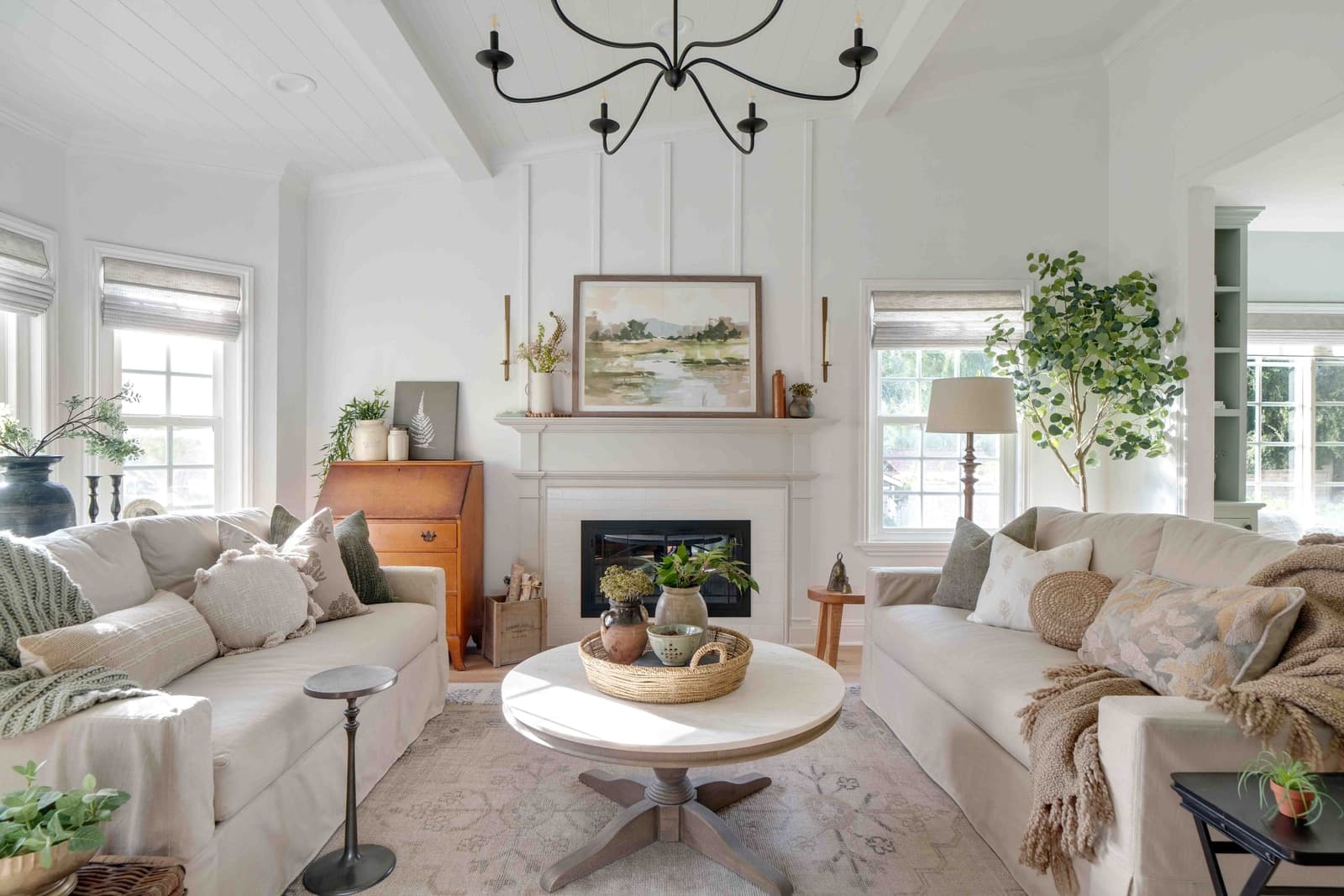
What does this mean for how VVT builds a shoot?
Everything above is why Virtual View Tours doesn't sell media à la carte the way a lot of vendors do. We're a full-service LA studio (photography, cinematic video, aerial/drone, 3D/Matterport tours and virtual staging) captured in one visit by one team, because the evidence points to these mediums working best together, not as isolated purchases from different vendors on different timelines. And because attention on a new listing peaks in the first 48 hours, every deliverable, photo and drone and 3D, lands in your inbox in under 24 hours; the video is the one piece that runs on its own edit timeline. Marketing should be the absolute last reason an agent loses a listing.
That sentence runs the business. It's why we shoot every medium in a single visit and turn the full gallery around the next day. If a listing underperforms, the cause should be price or condition, never a slow or thin marketing package.
What should an agent do with this information right now?
Start with the medium that has the strongest evidence for the listing in front of you. A vacant $2.5M hillside home is a 3D-plus-staging-plus-drone conversation. A tenant-occupied starter condo might just need clean, well-lit photography done right. The research above isn't a reason to buy every service on every listing. Use it as a filter for matching the medium to what will actually move that specific home.
Frequently asked questions
Does professional photography really help a home sell for more?
Yes, according to independent research. Redfin found professionally photographed homes sold for roughly $3,400–$11,200 over list and about three weeks faster than comparable listings (Redfin, 2013; an association, not a guarantee) Independent.
Is a 3D or Matterport tour worth the extra cost?
Usually, especially for larger or harder-to-picture homes. A 3D tour lets buyers walk every room at their own pace, at any hour, so the buyers who then book a showing arrive already familiar with the layout, and out-of-town buyers can tour before they ever fly in. Craft
Does real estate video actually generate more buyer interest?
There isn't an independent study isolating video's effect on price the way there is for photo and 3D. What is well documented is that most agents still don't produce listing video, so agents who do gain a real differentiation advantage rather than a marginal one. Independent
Is virtual staging as effective as physical staging?
For the core job (helping a buyer visualize living in the space) the research on staging generally applies: 83% of buyers' agents say staging makes it easier for buyers to picture a home as their own (NAR 2025). Virtual staging delivers that same visualization benefit for vacant rooms at a lower cost and faster turnaround, and is always disclosed as AI-enhanced. Independent
How much should an LA agent budget for listing media?
Standard photo packages in the Los Angeles market typically run about $150–$400, with full media bundles priced higher based on square footage and the services included. Exact pricing depends on the specific home, so VVT prices every shoot individually rather than a flat rate.
Ready to see it for your listing?
Book your shoot online in minutes.
Photo, video, drone, 3D and staging. One visit, one invoice — photo, drone, 3D and staging delivered in under 24 hours, video on its own edit timeline.
Book your LA shoot →