
Agent Personal Brand
The agent headshot that doesn't look like everyone else's
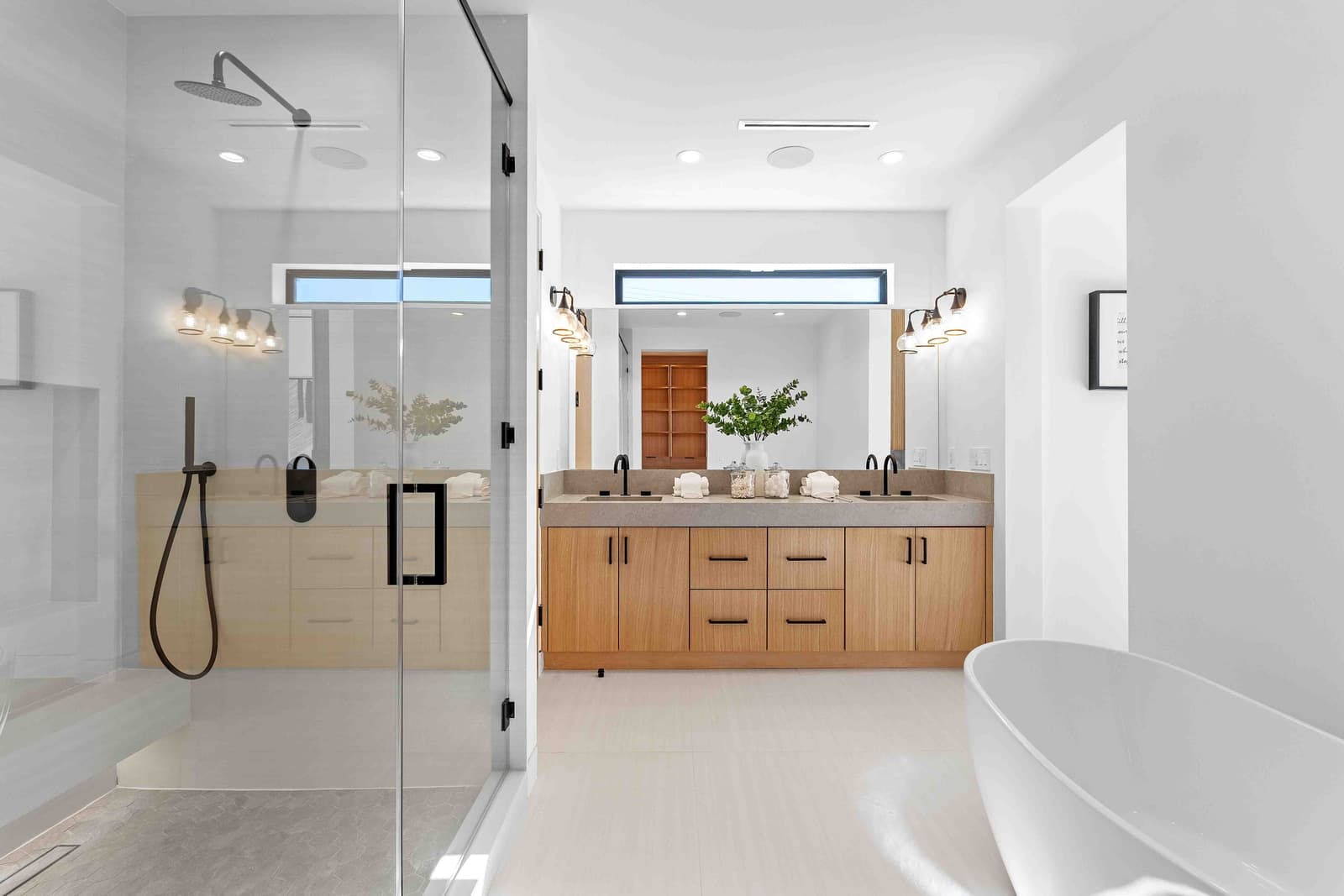
A headshot stands out when it stops looking like a headshot. Shoot it on location instead of against a step-and-repeat backdrop. Put yourself in wardrobe that matches how you actually show up to work. Catch an expression mid-thought instead of posed, and light it like daylight rather than a studio strobe. It's worth the effort because most sellers interview only one agent before signing (about 80%, per NAR 2025), so the photo that gets you remembered in that narrow window is doing more work than agents give it credit for.NAR 2025 Below is the exact brief we run for every agent portrait. Location, wardrobe, expression, lighting, and how to use the result consistently once you have it.
Why does the standard agent headshot look the same for everyone?
Because most agents get one shot at one time, and the default is whatever's fastest: a grey or white backdrop, arms crossed, studio strobes flattening the face, taken once at brokerage onboarding and never touched again. That's efficient. It's also forgettable, and forgettable is exactly the problem when the photo's whole job is to make a buyer remember you specifically.
That sameness is an opportunity, and it's a bigger one than it looks. Since most sellers interview only one agent before signing (about 80%, per NAR 2025), a photo that actually looks like you (in a space, in motion, with a real expression) has an outsized chance of being the reason they called.NAR 2025
Should my headshot be shot in a studio or on location?
On location, almost always. A studio backdrop tells a buyer nothing about you; a listing interior, a streetscape in your farm area, or your own office tells them where you work and what kind of homes you sell. It's the difference between a passport photo and a portrait.
- A recent listing interior. It puts you in context, doubles as content for that listing, and reads as "this is someone actively working," not "this is a photo from three years ago."
- A recognizable neighborhood backdrop. A street in Silver Lake, a bluff in Malibu, a storefront in your farm area. It signals local expertise before a single word of bio copy does.
- Your own office or a client-facing space. This one works if it's genuinely yours and genuinely photogenic. Skip the generic brokerage lobby everyone else uses too.
The trade-off: location shoots take more logistics than a 15-minute studio session. That's exactly why we shoot agent portraits on the same visit as a listing. No separate appointment, no separate invoice, and the backdrop is whatever real property we're already there for.

What wardrobe reads well on camera?
Wardrobe should match how you actually dress to meet a client, not how you'd dress for a gala. The goal is recognition. A buyer should be able to spot you at an open house from the headshot alone, which means the outfit should be close to what's already in your closet, tailored and camera-safe.
| Choice | Works well | Skip it |
|---|---|---|
| Color | Solid, mid-tone colors (navy, olive, camel, burgundy) | Pure white or pure black. Both blow out or crush under most lighting |
| Pattern | Subtle texture, no pattern, or one accent piece | Fine stripes or tight checks. They strobe and shimmer on camera |
| Fit | Tailored, structured shoulders, sleeves at the wrist | Anything baggy. It reads as "borrowed suit," not "professional" |
| Accessories | One statement piece (watch, earrings) that's actually yours | Anything you'd never wear to an actual client meeting |
If you sell mostly luxury inventory, dress slightly above your typical client-meeting outfit. If you work a walkable, younger-buyer neighborhood, dressing exactly as you'd show up to an open house usually photographs as more credible than a suit ever would.
How do I get an expression that doesn't look posed?
The posed, closed-mouth "corporate smile" is the single biggest tell of a rushed headshot session. A better smile won't fix it; what will is giving the photographer something real to react to instead of a countdown to "cheese."
- Talk before the shutter fires. A photographer who asks you a real question mid-shoot, about a recent closing or a neighborhood you love, catches the expression between thoughts. It reads as natural because it is.
- Shoot in motion, not just standing still. A few frames of you walking, gesturing, or turning toward camera give options beyond the stiff plant-and-smile pose.
- Shoot more than you think you need. Expression is a numbers game. The natural, camera-forgetting moment usually shows up on frame 40, not frame 4.
What lighting looks premium, and what looks cheap?
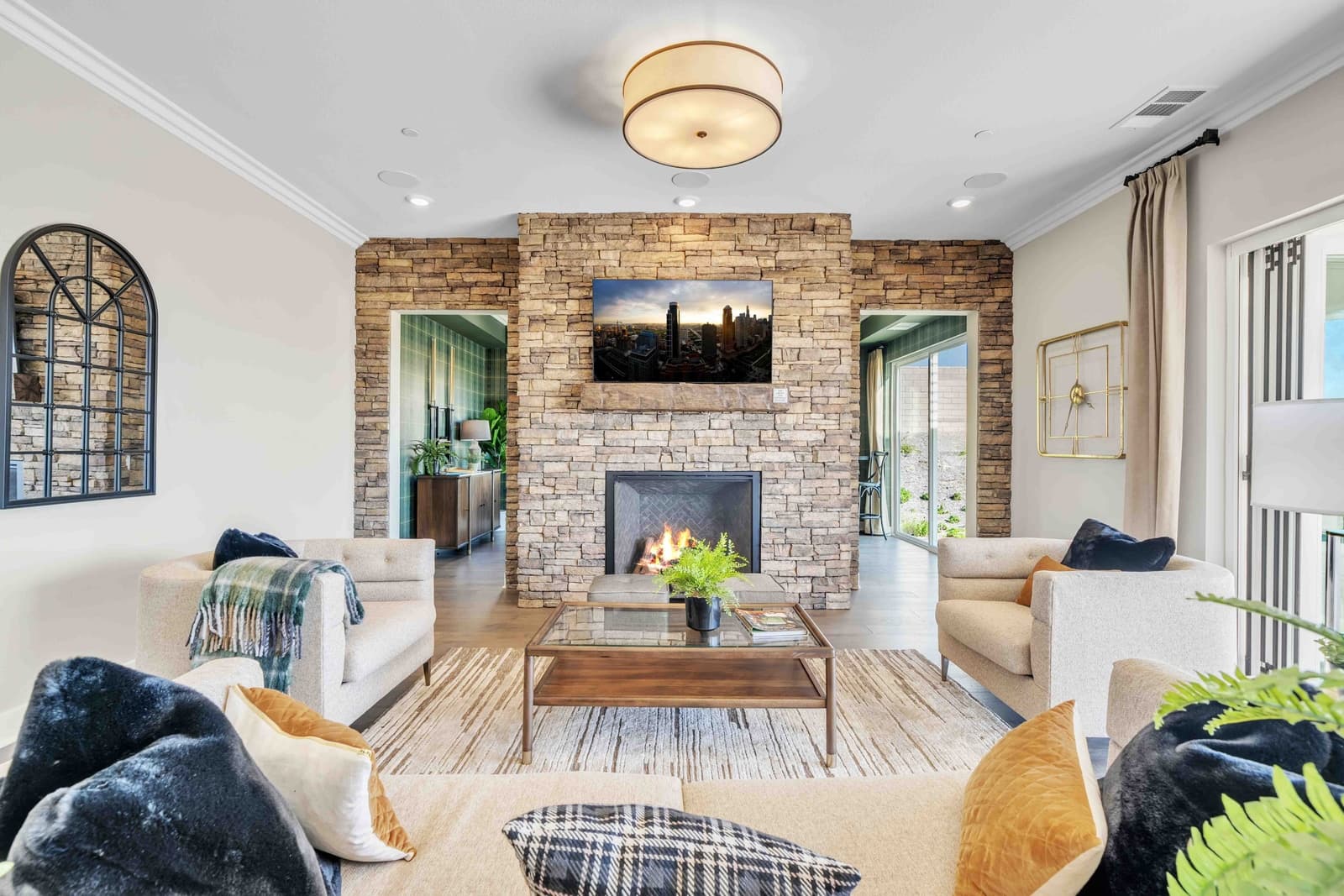
Lighting is the fastest visual tell separating a $150 mall-studio headshot from one that looks editorial. Flat, on-camera flash flattens the face and throws a hard shadow behind you. Soft, directional light (window light, golden-hour sun, or a properly diffused strobe) carves out shape and looks like it belongs on a magazine cover, not a name badge.
The easiest version of this to book: shoot at the same golden-hour window we already use for twilight listing photography. The light that makes a home's exterior glow does the same thing for a face. It's warm, low-angle, and flattering without a single studio light involved.
How should I use the headshot once I have it?
Consistency is what turns a good photo into brand recognition. Use the same portrait, or a small coordinated set, across every touchpoint so a buyer who's seen it once places you instantly the second time.
- MLS and brokerage profile
- Every listing flyer and sign rider
- Instagram, Facebook, and LinkedIn profile photos
- Email signature and business cards
- Your Client Hub / delivery page byline, so past clients recognize you across every project you send them
Refresh the set roughly once a year, or sooner if your look changes materially. Just don't rotate through a different photo on every platform. That's the opposite of recognition.
Frequently asked questions
How often should I update my agent headshot?
About once a year, or any time your appearance changes enough that a client meeting you in person might not immediately recognize you from the photo. Consistency matters more than frequency. Keep one strong, current set everywhere rather than swapping photos constantly.
Should I smile with teeth or keep it closed-mouth?
Whichever looks like you mid-conversation, not whichever looks "correct." Most agents photograph better with a natural, talking-triggered expression than a held smile. That's why shooting while you're actually being asked questions works better than a countdown pose.
Can I get my headshot done at the same time as a listing shoot?
Yes, and honestly that's how we prefer to shoot it. Adding an environmental portrait to a scheduled listing visit means no separate appointment, a real property as the backdrop, and it's on the same invoice as the shoot you're already booking.
Does my headshot actually affect whether buyers reach out?
It's one of the few brand touchpoints a buyer sees before ever speaking with you, and most sellers interview only one agent before signing (about 80%, NAR 2025). Either way, a photo that's forgettable or generic is a real cost, even if it's hard to measure directly.NAR 2025
What should I wear if I mostly sell luxury listings?
Dress slightly above your typical client-meeting outfit. Think tailored, solid mid-tone colors, one real accessory, while still looking like clothing you'd actually wear to a showing. The goal is credible and current, never costume-like.
Agent Personal Brand
Add a brand portrait to your next listing shoot.
We shoot agent environmental portraits on the same visit as your listing photos. One crew, one invoice, delivered in 24 hours.
Book your LA shoot →